At Sonoma Plumbing, pipe repair is approached as infrastructure maintenance rather than surface-level patching. Each repair is evaluated based on the condition of the surrounding system, the age of the pipe network, and the long-term performance of the property’s plumbing. This ensures that the repair restores reliability, protects the structure, and reduces the likelihood of future failures rather than deferring them.
Pipe failures rarely occur in isolation. Most issues develop gradually as materials age, pressure fluctuates, or environmental conditions stress the system. Understanding the type of failure is the first step in determining whether a pipe can be repaired, reinforced, or should be replaced entirely.
One of the most frequent problems is active leakage. This can range from slow drips behind walls to visible pipe bursts. Even minor leaks compromise pressure balance and allow moisture to migrate into framing, drywall, and flooring, creating conditions for mold and structural decay.
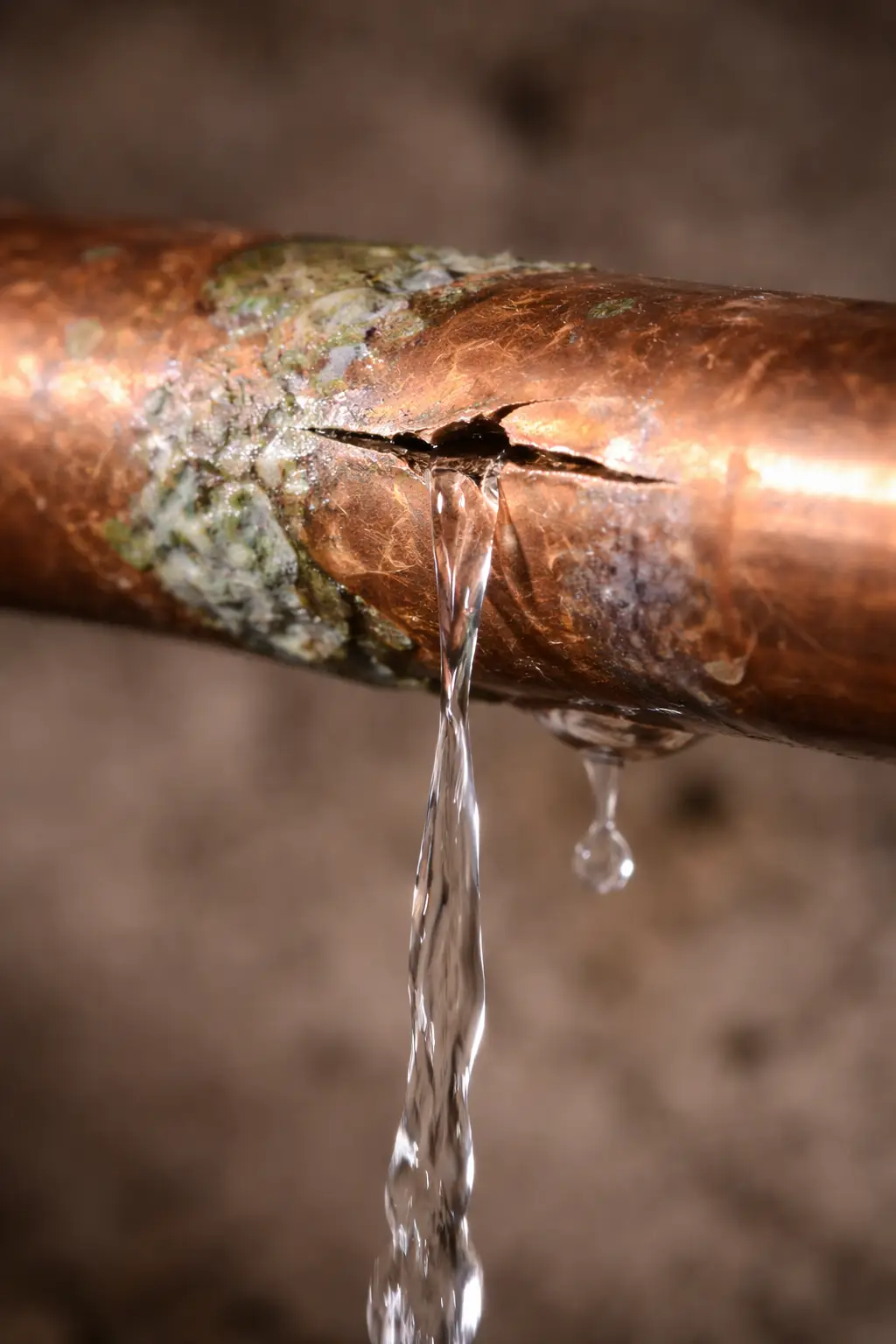
Corrosion and internal deterioration are common in older systems, especially in copper and galvanized piping. Over time, mineral buildup, chemical reactions in water, and constant pressure weaken pipe walls. What appears to be a localized leak is often a symptom of broader material fatigue.
Cracked or mechanically damaged pipes occur due to ground movement, temperature changes, improper installation, or external impact. These failures are particularly common in underground lines and in areas where pipes pass through foundations, walls, or tight structural spaces.
Cracked Pressure-related failures develop when a system is operating beyond its intended capacity. Sudden pressure spikes, aging shutoff valves, or restricted flow paths can cause joints to fail and weak sections of pipe to rupture.or mechanically damaged pipes occur due to ground movement, temperature changes, improper installation, or external impact. These failures are particularly common in underground lines and in areas where pipes pass through foundations, walls, or tight structural spaces.
Finally, hidden leaks beneath slabs or within walls present one of the highest risk scenarios. These problems often go unnoticed until water bills increase, flooring becomes warm or damp, or foundation movement is observed. At that stage, damage is already occurring beneath the surface.
By identifying the category of pipe failure rather than treating every issue as a simple leak, Sonoma Plumbing is able to select the correct repair method, preserve surrounding materials, and prevent the same problem from reappearing elsewhere in the system.
Effective pipe repair depends on understanding what the system is made of. Each plumbing material responds differently to pressure, temperature, chemical exposure, and physical stress. Applying a generic fix without accounting for material behavior can shorten the lifespan of the entire system.
Copper piping is valued for durability and water quality, but it is vulnerable to corrosion, pinhole leaks, and joint failure as it ages. Repairs must consider wall thickness, solder integrity, and the surrounding pipe condition. A localized patch on deteriorating copper can stop a leak temporarily while leaving the rest of the line at risk.
PEX piping is flexible and resistant to scale and corrosion, making it common in modern installations. However, improper fittings, UV exposure, or mechanical stress can compromise sections of PEX. Repairing these systems requires compatibility with existing connectors and attention to long-term expansion and contraction behavior.
Galvanized steel pipes, found in many older properties, are prone to internal rust and restricted flow. While individual leaks can sometimes be repaired, widespread corrosion often means the system is already failing internally. In these cases, a repair may stabilize a problem area but not resolve declining performance across the network.
PVC and CPVC piping are used primarily for drainage and certain water lines. These materials crack under impact and can become brittle with age or heat exposure. Repairs require precise section replacement and proper solvent welding to maintain structural integrity.
Because each material degrades differently, pipe repair is never a one-size-fits-all service. At Sonoma Plumbing, the repair strategy is selected based on the pipe type, installation method, system age, and the condition of adjacent sections. This ensures that a repair does not simply mask a problem but restores reliability across the connected plumbing infrastructure.
Not every pipe problem should be solved with a patch, and not every system requires full replacement. The key decision in pipe service is determining whether a targeted repair will restore long-term reliability or whether the underlying system has reached the end of its functional lifespan.
Repair is typically appropriate when damage is isolated, the surrounding pipe is structurally sound, and the system has not shown a pattern of recurring failure. A single cracked section, a compromised joint, or a localized corrosion point can often be corrected without disturbing the rest of the network. In these cases, repair preserves existing infrastructure while eliminating the immediate risk.
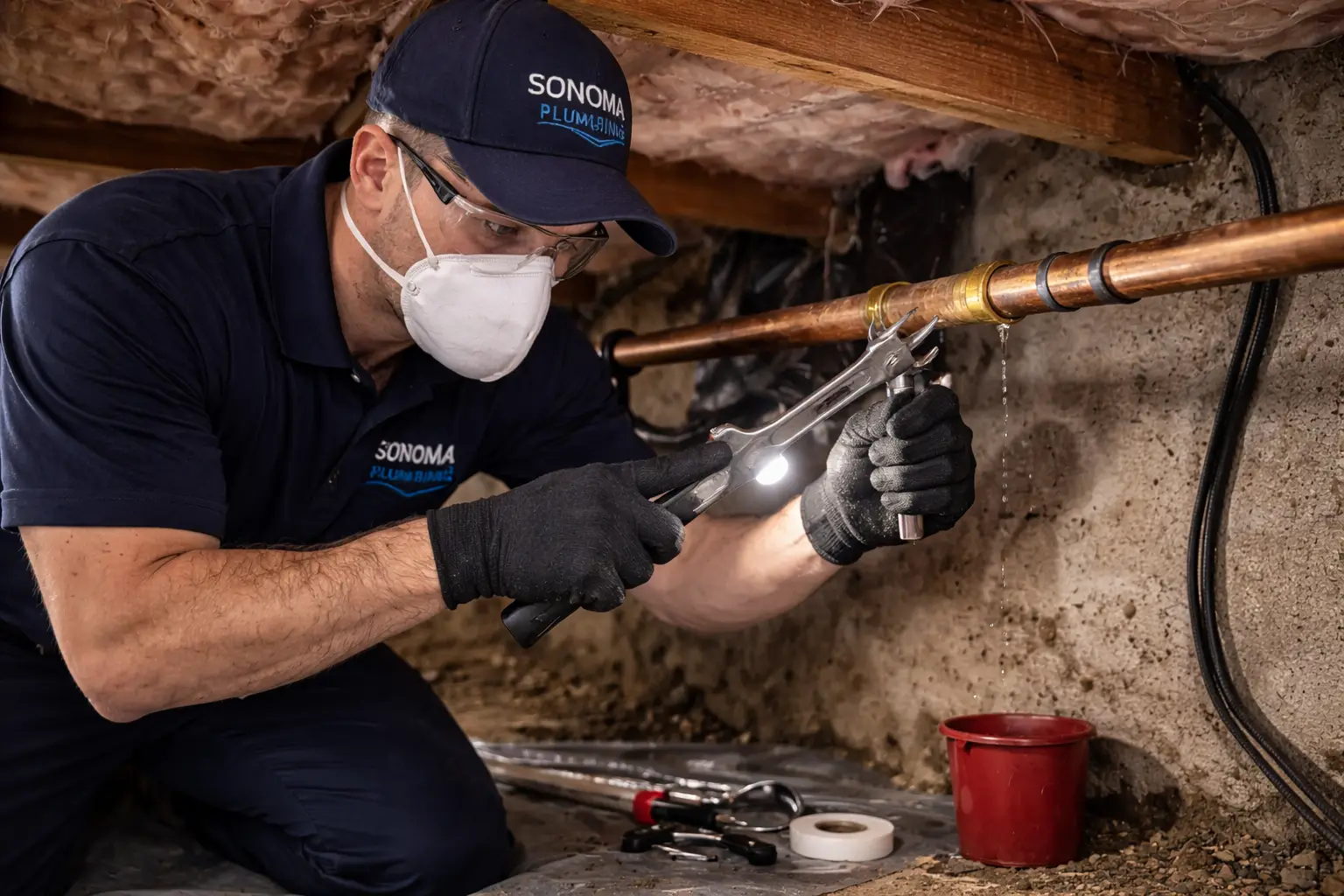
Repiping becomes the smarter option when problems are systemic rather than localized. Indicators include repeated leaks in different areas, widespread corrosion, declining water pressure, discoloration, or pipes that have exceeded their expected service life. At this stage, each new repair treats only a symptom while the underlying material continues to degrade.
Age is a critical factor. Older galvanized and early-generation copper systems often fail internally before visible leaks appear. By the time multiple failures surface, the cost of repeated repairs can exceed the value of replacing compromised sections in a planned, controlled manner.
Accessibility also influences the decision. Pipes embedded in walls, floors, or foundations may require significant disruption for repeated spot repairs. In these cases, selective or full repiping can reduce long-term structural impact by addressing the problem comprehensively rather than reopening the same areas over time.
Sonoma Plumbing evaluates pipe condition at the system level, not just at the point of failure. When a repair is sufficient, it is performed with the expectation of durability. When repiping provides better long-term performance, safety, and cost efficiency, that recommendation is made transparently.
Not all pipe damage is visible. Some of the most serious plumbing failures occur beneath concrete slabs, behind walls, or within structural elements where leaks can persist undetected for extended periods. These hidden failures pose a higher risk because they compromise both the plumbing system and the building itself.
A slab leak develops when a water line beneath a concrete foundation begins to leak due to corrosion, abrasion against concrete, soil movement, or long-term pressure stress. Because the pipe is embedded below the structure, escaping water has no direct path to the surface. Instead, it migrates into the slab, subfloor, or surrounding soil, gradually undermining the foundation and creating conditions for mold, warping, and material deterioration.
Unlike surface leaks, slab-related failures often reveal themselves indirectly. Unexplained increases in water usage, warm areas on flooring, persistent moisture, or subtle foundation movement are common early indicators. By the time visible damage appears, the pipe has often been leaking for an extended period.
Repairing hidden pipe failures requires a different approach than standard pipe access. Accurate detection, controlled exposure, and material-specific repair techniques are essential to avoid unnecessary structural disruption. In some cases, rerouting or selective replacement is more effective than opening large sections of concrete.
At Sonoma Plumbing, slab and concealed pipe issues are treated as high-priority infrastructure problems rather than routine leaks. Proper diagnosis and targeted repair protect both the plumbing system and the long-term stability of the property.
Effective pipe repair is a controlled process, not a trial-and-error fix. Each step is designed to identify the true cause of failure, limit disruption to the property, and ensure that the repair restores system performance rather than introducing new weak points.
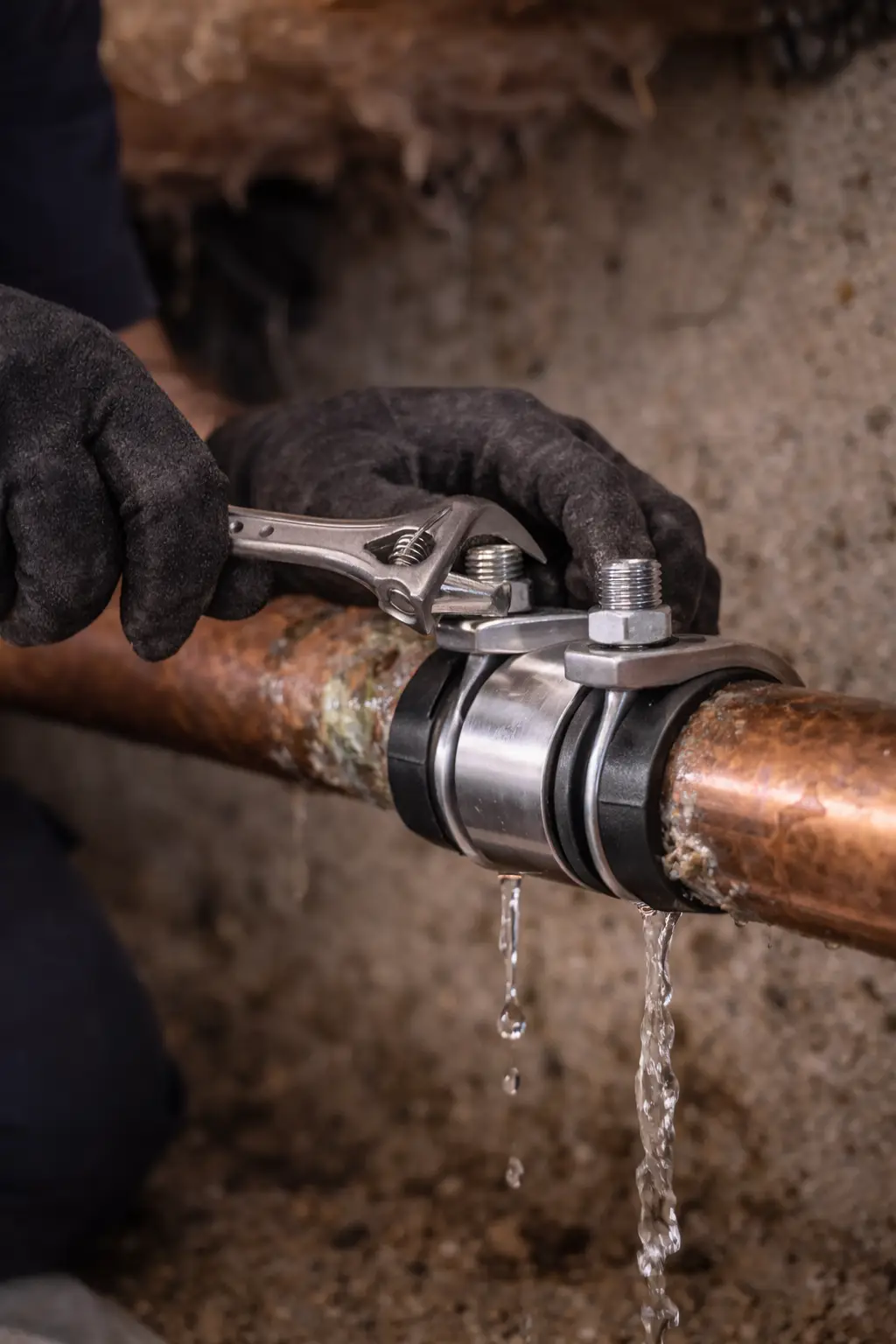
This includes visual inspection, pressure testing, and targeted detection methods to confirm the exact location and extent of the damage. In complex systems, identifying the failure point accurately is critical to avoiding unnecessary access or incomplete repairs.
Access planning determines how the pipe will be reached with minimal impact to surrounding materials. Pipes behind walls, beneath floors, or under slabs require different strategies than exposed lines. The goal is to correct the issue while preserving the structure and finish of the property as much as possible.
Copper systems may require section replacement and proper joint restoration. PEX systems depend on compatible fittings and stress-tolerant connections. Galvanized and plastic systems each require their own cutting, sealing, and reinforcement techniques. The repair is selected based on the pipe’s condition, age, and expected remaining service life.
System testing and pressure validation ensure that the line is sealed, stable, and performing within safe operating limits. This step confirms that the repair has not altered flow dynamics or introduced new vulnerabilities elsewhere in the network.
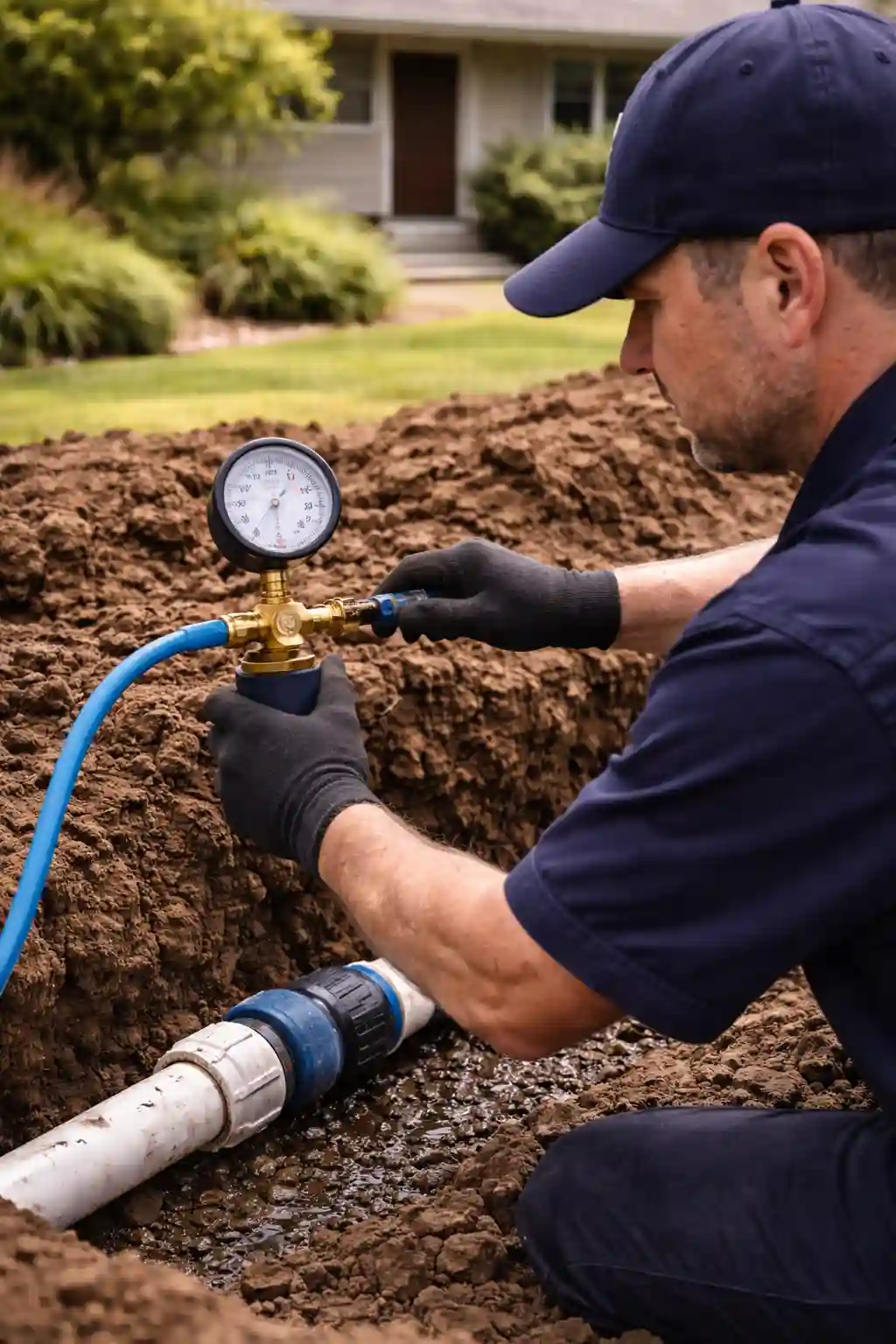
At Sonoma Plumbing, pipe repair is approached as a structural and mechanical service rather than a surface fix. Each repair is evaluated for durability, system compatibility, and long-term performance, ensuring that the plumbing infrastructure is restored as a reliable, integrated system rather than a patched component.
Also Available Around The ClockCommon emergencies handled around the clock include:
Each of these emergencies requires more than a temporary fix. Effective 24/7 service focuses on stopping active damage, restoring safe operation, and ensuring that the underlying cause is identified and addressed to prevent recurrence.
This page also functions as a central authority hub, connecting to specialized emergency services such as Burst Pipe Repair, Sewer Backup Service, and No Hot Water Emergencies, reinforcing topical depth and system-wide coverage.
Pipe repair is not only a functional necessity; it directly influences the longevity, safety, and market value of a property. When plumbing issues are corrected at the system level rather than temporarily patched, the benefits extend far beyond stopping an immediate leak.
Structural protection is one of the most significant outcomes. Undetected or poorly repaired pipe failures allow moisture to penetrate framing, flooring, and foundations. Over time, this leads to wood rot, weakened concrete, and mold development. Proper repair prevents water intrusion from becoming a building-integrity problem.
Water quality and system hygiene are also affected by pipe condition. Corroded, deteriorating, or improperly repaired lines can introduce contaminants, sediment, or metallic taste into the water supply. Restoring the internal condition of pipes helps maintain safe, clean water throughout the property.
From a financial perspective, planned repair reduces long-term maintenance costs. Repeated emergency fixes often address only visible symptoms while underlying material fatigue continues. A correctly executed repair stabilizes the system and reduces the likelihood of recurring failures, service interruptions, and collateral damage.
Finally, property value and inspection outcomes are influenced by plumbing reliability. Buyers, insurers, and inspectors increasingly evaluate the condition of water and drainage systems. A documented history of professional pipe repair signals responsible maintenance and lowers perceived risk for future ownership.
Effective pipe repair requires more than technical skill. It requires an understanding of how plumbing systems age, how different materials interact within a single network, and how repairs today affect long-term performance. This is where experience, process, and system-level thinking become critical.
Sonoma Plumbing company approaches pipe repair as infrastructure maintenance rather than isolated service calls. Every repair is evaluated in the context of the surrounding system, the condition of adjacent lines, and the future reliability of the property’s plumbing. This prevents short-term fixes that resolve one leak while allowing other weak points to remain.
Material expertise is a core part of this approach. Whether working with copper, PEX, galvanized steel, or modern plastic systems, repair methods are selected based on compatibility, durability, and the expected remaining lifespan of the network. This ensures that each repair integrates correctly with the existing system instead of creating stress points or mismatched connections.
Process discipline also defines the work. From accurate diagnosis and controlled access to post-repair testing and system validation, every stage is designed to reduce risk, protect the structure, and deliver consistent performance. The result is not just a sealed pipe, but a stabilized plumbing system.
For property owners seeking reliability rather than repeated service calls, Sonoma Plumbing provides pipe repair as a long-term solution. The focus is on protecting the integrity of the entire system, maintaining water safety, and preserving the structural value of the property through precise, accountable workmanship.
Pipe repair exists within a broader category of system maintenance, material upgrades, and structural-level plumbing solutions. Many pipe issues are interconnected, and resolving one area often requires understanding related services that address the same underlying infrastructure.
For properties with aging or repeatedly failing lines, repiping provides a long-term alternative to ongoing spot repairs. Replacing compromised sections in a planned manner can restore pressure, improve water quality, and eliminate chronic leaks.
When damage occurs beneath concrete or within concealed structural areas, slab leak repair becomes a specialized branch of pipe service. These issues require precise detection, controlled access, and targeted restoration to protect both the plumbing system and the building foundation.
Material-specific problems are also addressed through dedicated services. Copper pipe repair focuses on corrosion, joint failure, and age-related deterioration common in older installations.
PEX repiping supports modern system upgrades where flexibility, efficiency, and longevity are priorities.
Together, these services form a cohesive infrastructure solution. Pipe repair is not an isolated offering, but part of a system-wide approach to maintaining safe, efficient, and durable plumbing for residential and commercial properties in Sonoma.
Pipe repair is a system-level service that depends on accurate diagnosis, material expertise, and localized infrastructure knowledge. Sonoma Plumbing provides professional pipe repair services throughout Sonoma and the surrounding communities, ensuring consistent standards of workmanship across residential and commercial properties.
Our service coverage includes Sonoma as well as nearby areas such as:
These communities share similar building structures, aging pipe networks, and regional water conditions, which allows for precise evaluation of material degradation, pressure behavior, and long-term system performance.
Rather than treating location as a separate service category, pipe repair is delivered using the same process-driven methodology across all service areas. This ensures that leak detection, material-specific repair, slab access, and repiping decisions are based on system integrity rather than surface-level fixes.
Whether the issue involves copper corrosion, PEX system failures, slab leaks, or aging infrastructure, Sonoma Plumbing applies the same diagnostic standards and long-term repair strategies throughout the greater Sonoma region.
If you are experiencing leaks, pressure problems, or signs of hidden pipe damage, professional evaluation is the first step toward protecting your property. Whether your system requires a targeted repair or a broader solution, accurate diagnosis prevents minor issues from becoming structural or financial liabilities. Sonoma Plumbing provides pipe repair based on system integrity, material compatibility, and long-term performance. Contact us to schedule an inspection and ensure your plumbing infrastructure is restored with durability, safety, and reliability in mind.