A bathroom plumbing remodel focuses on the water supply, drainage, and venting systems that support every fixture in the bathroom. Unlike surface-level renovations that change finishes or fixtures only, a plumbing remodel addresses the infrastructure behind the walls, under the floor, and within the ceiling.
This type of remodel is required when plumbing components are aging, improperly installed, or no longer compatible with the layout or fixtures you plan to use. It ensures that new showers, bathtubs, sinks, and toilets operate correctly, drain efficiently, and meet current plumbing standards.
A bathroom plumbing remodel may include replacing or modifying water supply lines, updating drain and vent pipes, relocating fixtures, or upgrading shut-off valves and connection points. The scope depends on the condition of the existing plumbing and how much the bathroom layout is changing.
In many Sonoma homes, older bathrooms were built with pipe materials and layouts that no longer meet modern performance or water efficiency expectations. Remodeling the plumbing allows these systems to be updated before new finishes are installed, helping prevent leaks, drainage issues, and costly future repairs.
By addressing plumbing early in the remodeling process, homeowners create a stable foundation for the entire bathroom upgrade rather than building new fixtures on outdated or unreliable systems.
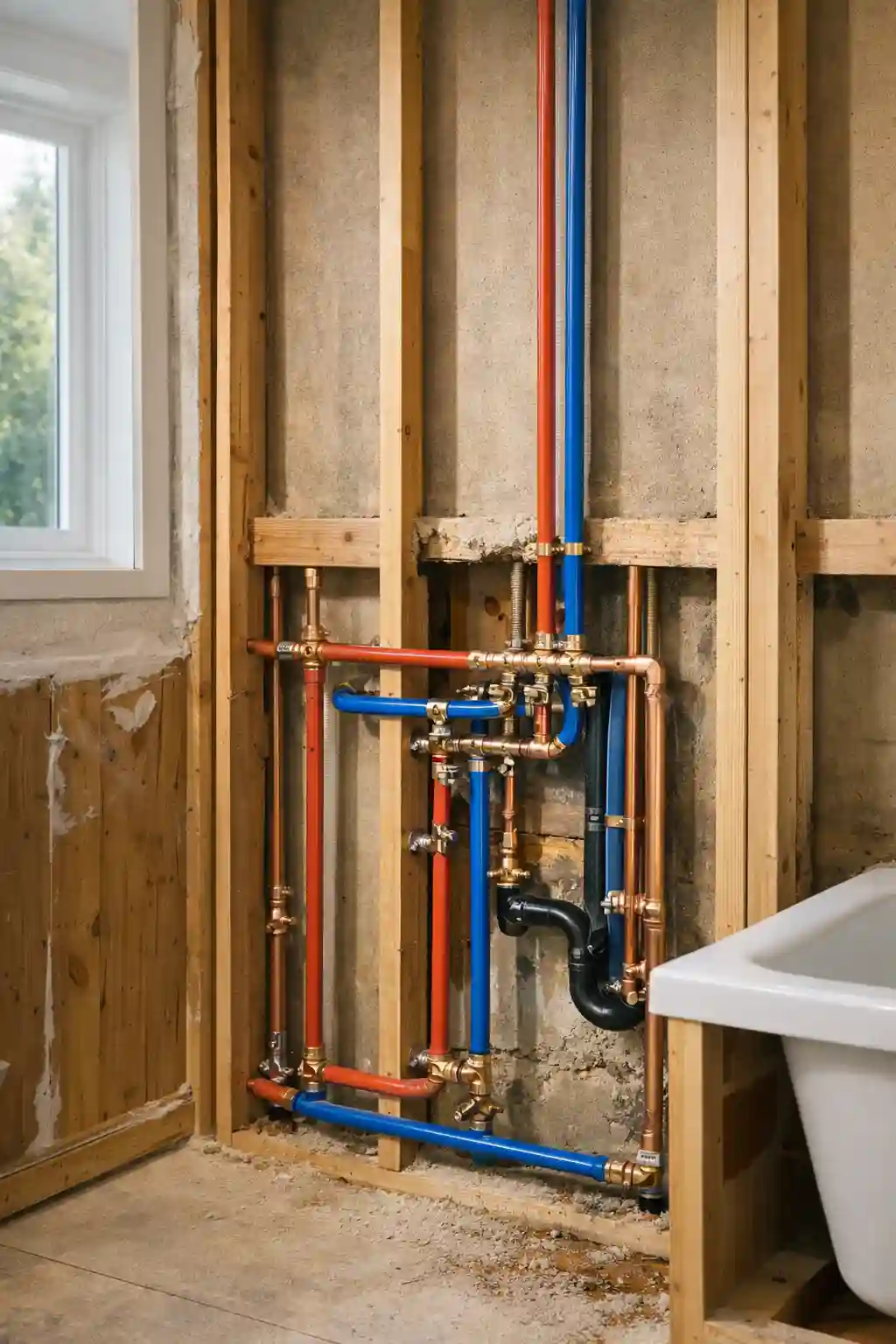
Recently completed bathroom plumbing remodel — Sonoma Plumbing
A bathroom plumbing remodel becomes necessary when the existing plumbing system can no longer support the function, layout, or efficiency of the bathroom. In many cases, the need is not visible until fixtures are removed or walls are opened during a renovation.
Older pipes are a common reason for remodeling plumbing. Corrosion, mineral buildup, and outdated materials can restrict water flow, reduce pressure, and increase the risk of leaks. These issues often surface when homeowners plan to install new fixtures that require consistent water volume and proper drainage.
Layout changes also trigger the need for plumbing work. Moving a shower, bathtub, toilet, or vanity requires modifications to both supply and drain lines. Attempting to reuse an old plumbing layout for a new bathroom design can lead to improper slopes, poor venting, or fixtures that do not perform as intended.
Recurring issues such as slow drains, frequent clogs, hidden leaks, or water damage behind walls indicate that the plumbing system may need more than a simple repair. Remodeling the plumbing allows these underlying problems to be corrected before new finishes conceal them again.
In Sonoma homes, plumbing remodels are also necessary when bringing a bathroom up to current code requirements. Updated water efficiency standards, venting rules, and safety regulations often apply when significant changes are made, making plumbing upgrades a required part of the remodel rather than an optional one.
A bathroom plumbing remodel becomes necessary when the existing plumbing system can no longer support the function, layout, or efficiency of the bathroom. In many cases, the need is not visible until fixtures are removed or walls are opened during a renovation.
Older pipes are a common reason for remodeling plumbing. Corrosion, mineral buildup, and outdated materials can restrict water flow, reduce pressure, and increase the risk of leaks. These issues often surface when homeowners plan to install new fixtures that require consistent water volume and proper drainage.
Layout changes also trigger the need for plumbing work. Moving a shower, bathtub, toilet, or vanity requires modifications to both supply and drain lines. Attempting to reuse an old plumbing layout for a new bathroom design can lead to improper slopes, poor venting, or fixtures that do not perform as intended.
Recurring issues such as slow drains, frequent clogs, hidden leaks, or water damage behind walls indicate that the plumbing system may need more than a simple repair. Remodeling the plumbing allows these underlying problems to be corrected before new finishes conceal them again.
In Sonoma homes, plumbing remodels are also necessary when bringing a bathroom up to current code requirements. Updated water efficiency standards, venting rules, and safety regulations often apply when significant changes are made, making plumbing upgrades a required part of the remodel rather than an optional one.
A bathroom plumbing remodel impacts multiple interconnected systems that must work together for proper water delivery, drainage, and ventilation. Updating one component often requires evaluating the others to avoid performance issues after the remodel is complete.
The water supply system delivers hot and cold water to showers, bathtubs, sinks, and toilets. During a remodel, supply lines may be replaced, rerouted, or resized to support modern fixtures that require balanced pressure and consistent flow. Shut-off valves are also commonly upgraded to improve accessibility and safety.
Drain and vent systems are critical to removing wastewater and maintaining proper air pressure in the plumbing lines. Remodeling often involves adjusting drain locations, correcting pipe slope, or adding venting to prevent slow drainage, gurgling, or sewer gas odors. These systems must be properly coordinated with fixture placement and structural framing.
Fixture connections are another key area affected during a remodel. New fixtures may require different connection heights, spacing, or mounting methods than older models. Ensuring proper alignment and secure connections helps prevent leaks and premature wear.
In many bathroom remodels, plumbing work also intersects with waterproofing and drainage planning. Shower pans, floor drains, and wall assemblies must be designed so that water is directed away from plumbing penetrations and into the drainage system, protecting the surrounding structure from moisture damage.
Proper planning is a critical part of any bathroom plumbing remodel. Decisions made early in the process determine whether the new plumbing system will function efficiently and remain reliable after the remodel is complete.
The planning process begins with evaluating the existing plumbing layout and pipe condition. This includes identifying pipe materials, checking for corrosion or leaks, and understanding how water supply and drain lines are routed through the home. In many cases, opening walls reveals issues that were not visible during initial inspections.
Fixture placement is reviewed next. Showers, bathtubs, toilets, and vanities must be positioned in locations that allow proper drainage slope, venting, and access for maintenance. Some layouts may look ideal visually but require significant plumbing changes to function correctly.
Budget considerations are also part of plumbing planning. The scope of work can range from minor line adjustments to full bathroom repiping, depending on the age and condition of the system. Planning helps prioritize necessary upgrades while avoiding unnecessary changes.
Plumbing work must be coordinated with other trades involved in the remodel. Electrical, framing, waterproofing, and tile installation all rely on plumbing being installed at the correct stage. Proper sequencing prevents delays, rework, and hidden problems once walls and floors are finished.
Bathroom remodels often involve more than replacing visible fixtures. Plumbing upgrades are typically required to support improved performance, updated layouts, and modern water efficiency standards.
Shower installations are one of the most common upgrades during a remodel. This may include converting a bathtub to a walk-in shower, installing new shower valves, or adjusting water supply and drainage to accommodate different shower designs. Proper plumbing ensures balanced water pressure and reliable temperature control.
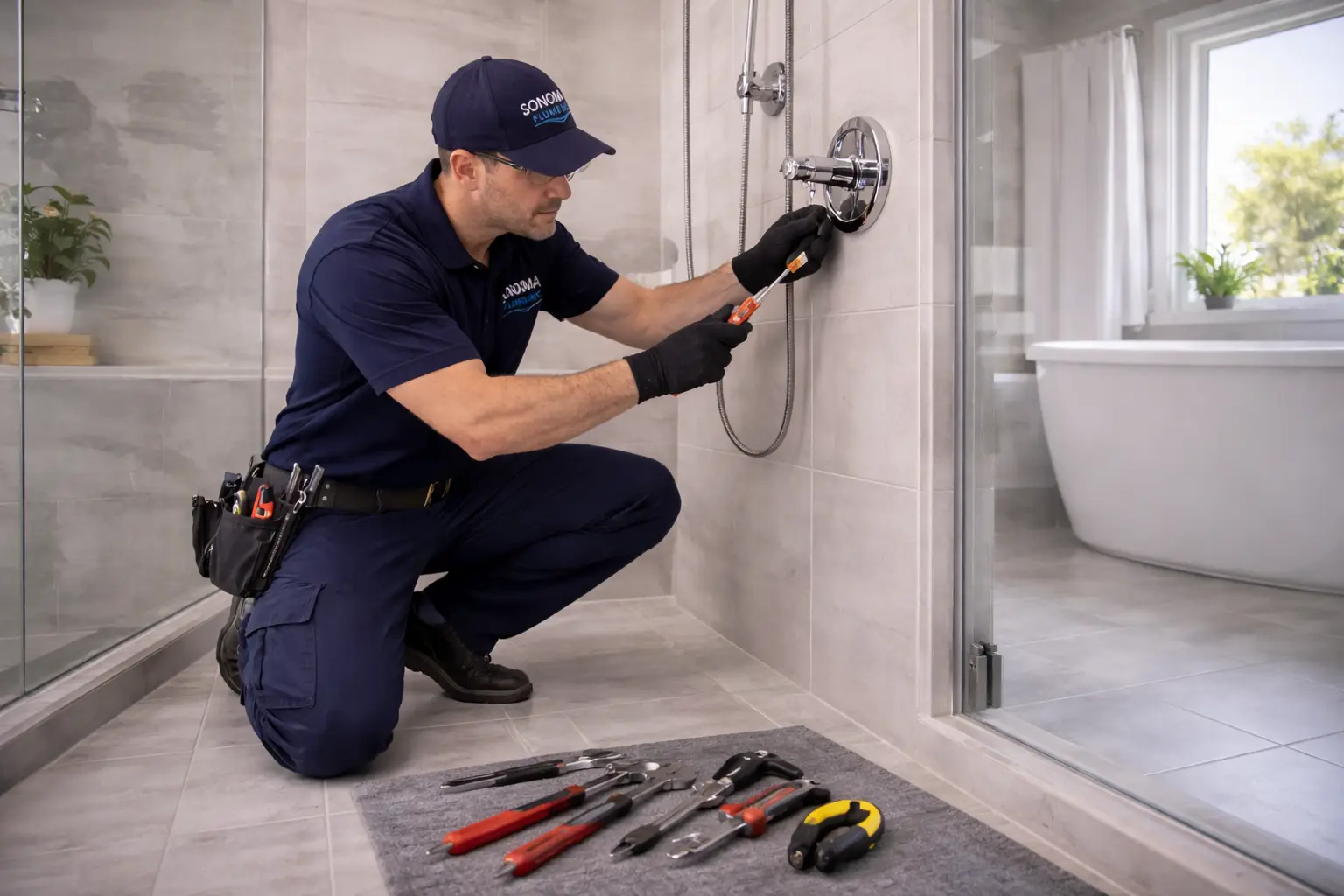
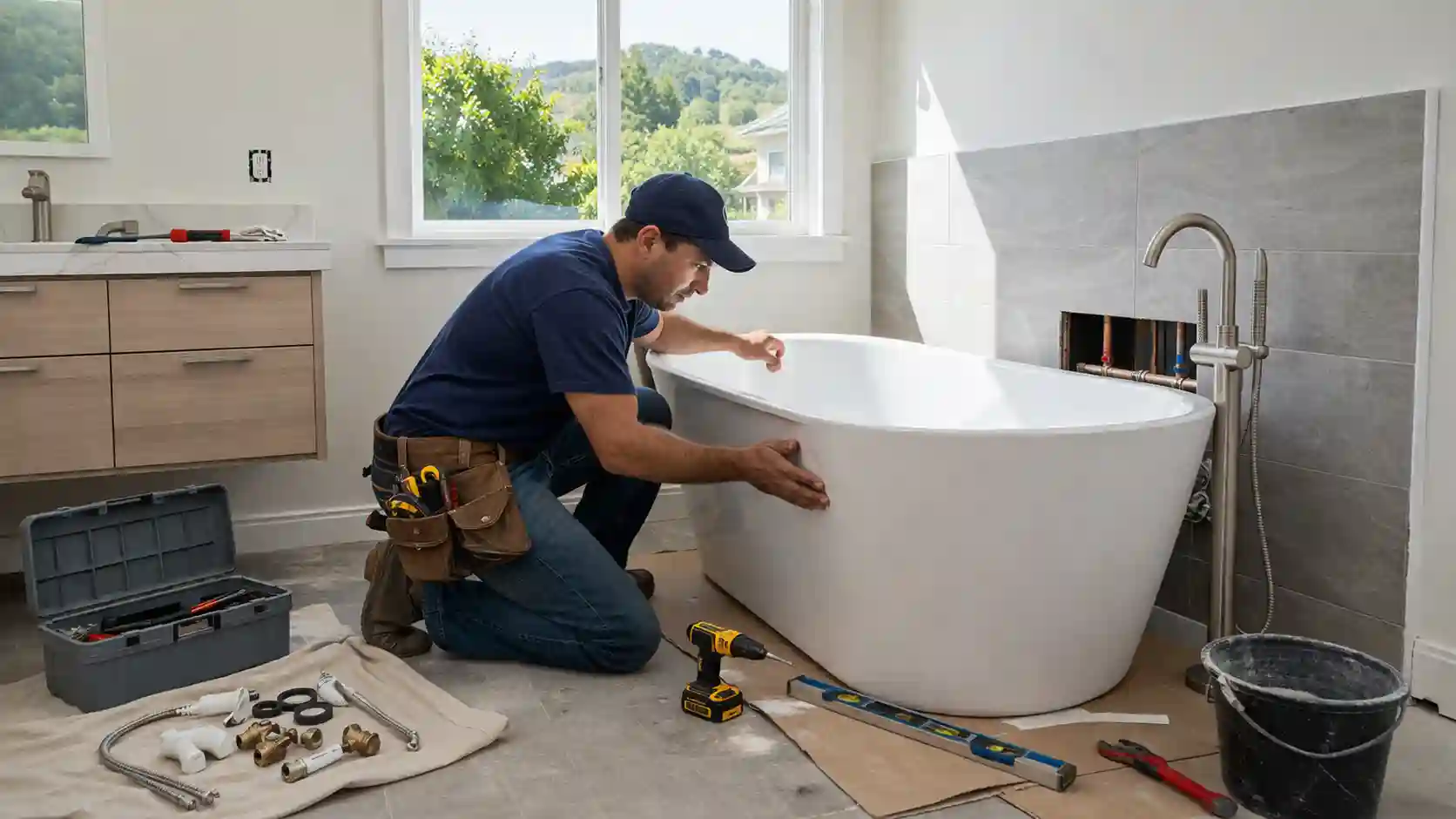
Bathtub installations or replacements frequently require plumbing modifications, especially when changing tub size, style, or location. Drain alignment, overflow placement, and supply line positioning must match the specific tub being installed to prevent leaks and drainage issues.
Toilet replacements or relocations can also involve plumbing changes. While some replacements use existing connections, relocating a toilet requires drain line adjustments and careful venting to maintain proper flushing and waste removal.
Sink and vanity upgrades often include new supply lines, updated shut-off valves, and modified drain connections. Modern vanities may require different pipe clearances or wall configurations than older models.
In many Sonoma homes, bathroom repiping is considered during remodels when existing pipes are outdated or deteriorating. Repiping allows all fixtures to connect to new, reliable piping rather than tying modern installations into aging systems.
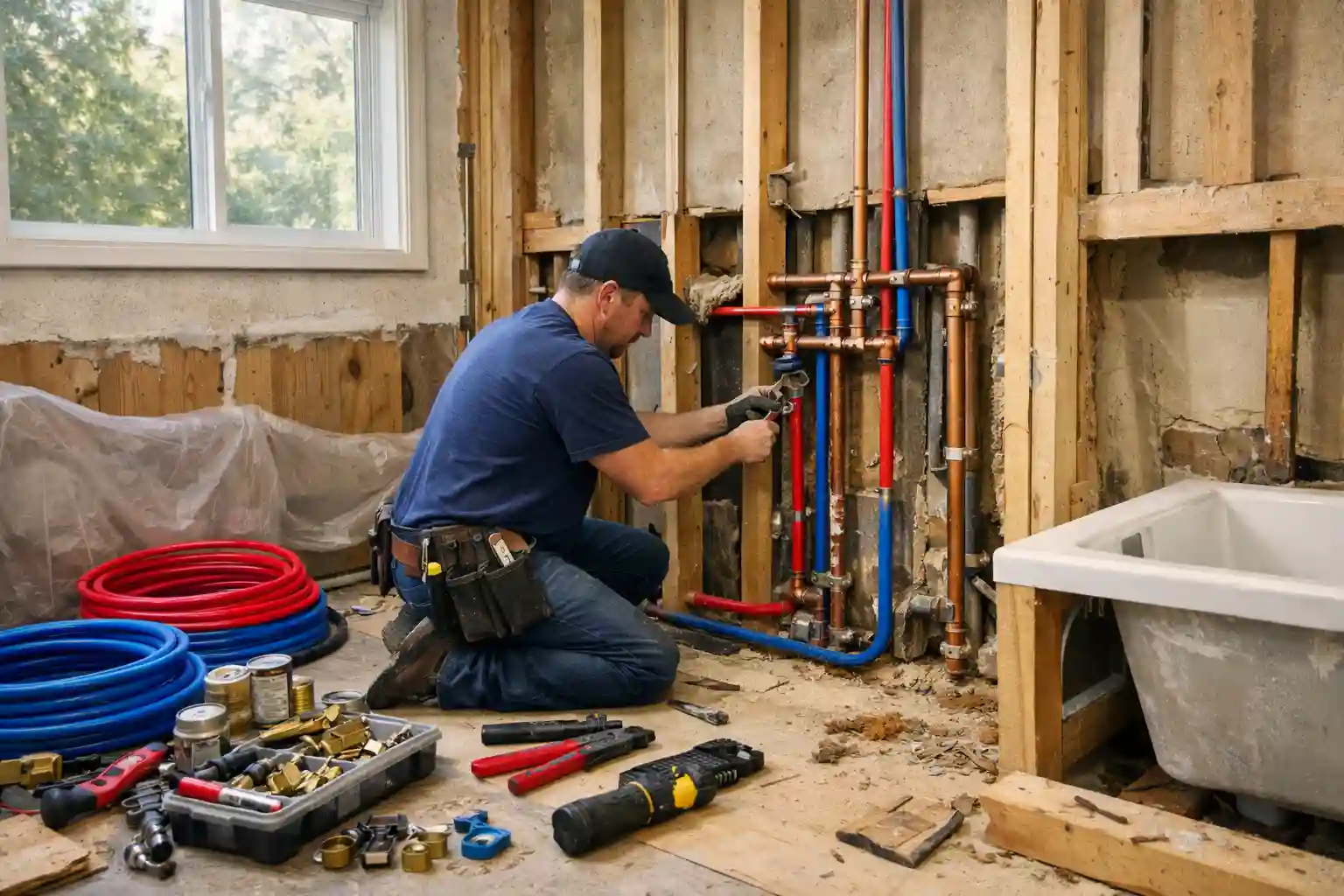
The timeline for a bathroom plumbing remodel depends on the scope of work, the condition of the existing plumbing, and how much the bathroom layout is changing. Plumbing work is typically completed in phases that align with the overall remodel schedule.
Initial plumbing evaluation and demolition often occur early in the project. Once fixtures and finishes are removed, plumbers can assess pipe condition, identify necessary upgrades, and confirm routing for new supply and drain lines.
Rough-in plumbing is the next phase. During this stage, water supply lines, drain pipes, and venting are installed or modified before walls and floors are closed. This phase may take longer if fixtures are being relocated or if repiping is required.
After rough-in work, inspections may be required to verify code compliance. Approval at this stage is necessary before proceeding with drywall, waterproofing, and tile installation.
Final plumbing installation occurs near the end of the remodel. Fixtures are connected, valves are tested, and the system is checked for leaks and proper performance. The total plumbing timeline can range from a few days for minor updates to longer durations for full bathroom repiping or complex layout changes.
The cost of a bathroom plumbing remodel varies based on the amount of work required and the condition of the existing plumbing system. Understanding the factors that influence cost helps homeowners plan more accurately and avoid unexpected expenses.
The scope of plumbing changes is one of the primary cost drivers. Minor updates, such as replacing supply lines or upgrading valves, are less involved than relocating fixtures or modifying drain and vent systems.
Pipe material selection also affects cost. Copper, PEX, and drain pipe materials each have different price points and installation requirements. The choice often depends on the existing system and the goals of the remodel.
Fixture relocation typically increases costs because it requires additional labor, materials, and sometimes structural modifications. Keeping fixtures in their original locations can reduce the overall plumbing expense.
Accessibility plays a role as well. Plumbing located behind concrete slabs, within tight wall cavities, or in older construction may require more time to access and modify.
Permit and inspection requirements can add to the total cost, especially when significant plumbing work is performed. Factoring these elements into the remodel budget ensures a more accurate estimate and smoother project progression.
The materials selected during a bathroom plumbing remodel directly affect durability, water quality, and long-term performance. Choosing the appropriate piping and components depends on the existing system, fixture requirements, and local plumbing standards.
Copper piping is commonly found in older and higher-end homes. It is durable, resistant to bacteria, and performs well under heat, making it suitable for hot and cold water supply lines. During remodels, copper may be replaced or extended depending on its condition.
PEX piping is widely used in modern bathroom remodels due to its flexibility and resistance to corrosion. It allows for easier routing through walls and floors, reduces the number of fittings, and supports consistent water pressure to multiple fixtures.
PVC and ABS pipes are typically used for drain, waste, and vent systems. These materials are lightweight, durable, and designed to handle wastewater efficiently. Proper sizing and slope are critical when installing or modifying these drain lines during a remodel.
Fixture supply components, including braided supply lines, connectors, and adapters, are also updated during plumbing remodels. Replacing older components helps prevent leaks at connection points once new fixtures are installed.
Valves and fittings play a key role in system control and maintenance. Upgrading shut-off valves during a remodel allows individual fixtures to be isolated for future repairs without shutting down water to the entire home.
Selecting the right professional for a bathroom plumbing remodel is essential to ensuring the work is completed correctly, safely, and in compliance with local requirements. Remodeling projects differ from routine plumbing repairs and require experience with planning, coordination, and code compliance.
A qualified plumbing professional should have experience specifically with bathroom remodels, including fixture relocations, repiping, and coordination with other trades. This experience helps prevent layout issues, drainage problems, and delays during the project.
Knowledge of local plumbing codes and permit requirements is also critical. A professional familiar with Sonoma regulations can ensure the plumbing work meets current standards and passes required inspections without unnecessary revisions.
Remodel plumbing often requires close coordination with contractors, electricians, and installers. Clear communication and proper sequencing help keep the remodel on schedule and prevent conflicts between trades.
Reputable plumbers also stand behind their work with warranties or workmanship guarantees, providing added confidence in the long-term reliability of the plumbing system.
Bathroom plumbing remodels are subject to local and state plumbing codes designed to protect water quality, safety, and system performance. When plumbing systems are modified, permits and inspections are often required to ensure the work meets current standards.
Permits are typically needed when supply lines, drain lines, or vent systems are altered, relocated, or replaced. Even when fixtures remain in the same location, replacing aging pipes or upgrading valves may trigger permit requirements depending on the scope of work.
Plumbing codes address critical factors such as pipe sizing, drainage slope, venting configuration, and backflow prevention. These requirements help ensure proper drainage, prevent sewer gas from entering the home, and protect the potable water supply.
Water efficiency standards are also enforced during bathroom remodels. New fixtures often must meet specific flow and flush requirements, and plumbing systems must be compatible with these efficiency levels to maintain proper performance.
After plumbing work is completed, inspections may be required before walls and floors are closed. These inspections verify that the plumbing installation complies with code and helps identify issues early, before they become hidden behind finished surfaces.
Skipping plumbing upgrades or performing them incorrectly during a bathroom remodel can lead to long-term problems that are difficult and expensive to fix once the bathroom is finished.
Hidden leaks are one of the most common risks. Improperly installed supply lines or drain connections can leak behind walls or under floors, causing water damage, mold growth, and structural deterioration that may go unnoticed for months or years.
Poor drainage is another frequent issue. Incorrect pipe slope, inadequate venting, or undersized drain lines can result in slow drains, recurring clogs, and sewer odors. These problems often require opening finished walls or floors to correct.
Improper plumbing work can also reduce the lifespan of new fixtures. Inconsistent water pressure, temperature fluctuations, or excessive stress on connections can cause premature wear and failure, even with high-quality fixtures.
Code violations are an additional risk. Plumbing that does not meet current standards may fail inspections, delay project completion, or create issues during future home sales or insurance claims.
By addressing plumbing correctly during the remodel, homeowners avoid repeating work, protect their investment, and ensure the bathroom functions reliably for years after the renovation is complete.
Walk-in conversions, new valves, and balanced water pressure for a remodeled shower.
Drain alignment, overflow placement, and supply lines matched to your new tub.
Replacing outdated or deteriorating pipes with new, reliable piping throughout.
Planning a bathroom plumbing remodel starts with understanding the condition of your existing plumbing and how it supports your renovation goals. Speaking with a plumbing professional early in the process helps identify necessary upgrades, potential challenges, and realistic timelines. During a consultation, homeowners can discuss fixture plans, layout changes, and concerns about water pressure, drainage, or aging pipes. This evaluation helps determine whether partial upgrades or a full plumbing remodel is the best approach. Sonoma Plumbing approaches bathroom plumbing remodels with a focus on system reliability, code compliance, and long-term performance. Each project is evaluated based on the specific home, existing plumbing, and planned bathroom design. To schedule a bathroom plumbing remodel consultation in Sonoma, contact Sonoma Plumbing to review your project and receive guidance before renovation work begins.