A sewer backup emergency in Sonoma, CA occurs when wastewater is unable to flow through the drainage system and is forced back into sinks, toilets, floor drains, or living spaces. This type of failure represents a critical breakdown of the sanitary plumbing system and requires immediate professional intervention to stop contamination, protect property, and restore safe drainage. Unlike routine clogs or slow drains, a sewer backup involves the main waste line or critical branch lines that serve multiple fixtures. When these lines become obstructed, collapsed, or overwhelmed, wastewater reverses direction under pressure, creating serious health hazards and rapid property damage.
Sewer backups occur when wastewater is unable to move freely through the drainage system and is forced to reverse direction. In Sonoma homes, this condition is most often caused by structural issues within sewer lines, accumulated blockages, or environmental stress affecting underground piping.
Common causes of sewer backups in Sonoma include:
In many cases, sewer backups are the result of conditions that develop slowly and remain hidden until the system reaches a failure point. When that point is reached, wastewater reverses into the home, creating an immediate health risk and requiring emergency intervention to restore safe drainage and prevent further contamination.
Sewer backup emergencies in Sonoma are strongly influenced by local infrastructure, property age, and environmental conditions. Many homes are connected to aging underground sewer systems that were installed decades ago using materials now prone to cracking, root intrusion, and internal deterioration. These legacy systems increase the likelihood of sudden blockages and line failures.
Sonoma’s soil composition and seasonal moisture patterns also contribute to sewer line stress. Ground movement, saturation, and gradual settling can shift or misalign underground pipes, creating low points where waste accumulates and flow becomes restricted. Over time, these conditions increase the risk of complete blockage and reverse flow into living spaces.
Access challenges further complicate emergency response. Sewer failures often occur beneath foundations, driveways, or landscaped areas, making visual detection difficult and delaying surface-level diagnosis. Because of these factors, effective sewer backup service in Sonoma requires familiarity with local sewer layouts, common failure points, and underground conditions—ensuring that emergency intervention is both rapid and structurally appropriate for the property.
A sewer backup often reveals itself through sudden, unsanitary conditions that affect multiple fixtures at once. Recognizing these warning signs quickly is essential to limit contamination and prevent further damage to the home.
Common indicators of a sewer backup in Sonoma homes include:
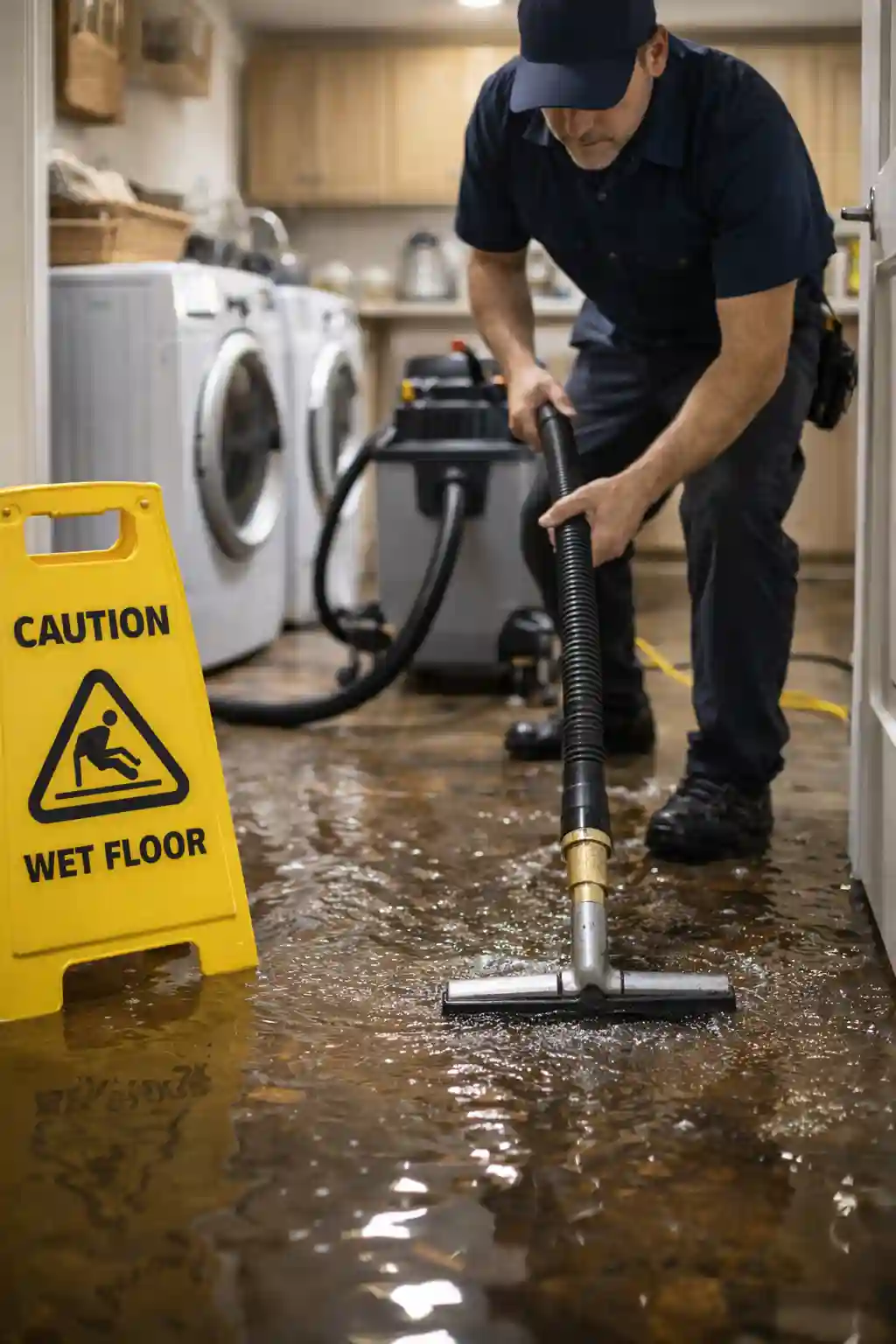
Standing wastewater from a residential sewer backup — Sonoma, CA
Because sewer backups involve contaminated water, any of these signs should be treated as an emergency. Continued use of plumbing fixtures can worsen the situation, spreading wastewater further into the property. Immediate professional response is required to stop the reverse flow, isolate the affected lines, and restore safe, sanitary drainage.
A sewer backup presents both property damage and serious health risks. Immediate action can help contain contamination and prevent the situation from escalating before emergency service arrives.
During a sewer backup in Sonoma, homeowners should:
These steps help limit the spread of sewage within the home, but they do not resolve the underlying failure in the sewer line. Because sewer backups involve the main drainage system and pose sanitation risks, professional emergency service is required to clear the blockage, restore proper flow, and return the system to a safe operating condition.
Emergency sewer backup service is structured around rapid containment, accurate diagnosis, and controlled restoration of waste flow. The first priority is to stop contaminated water from spreading, followed by identifying the obstruction or failure point within the sewer system.
In Sonoma properties, the emergency process typically includes:
Halting fixture use and securing affected lines to prevent further backflow
Locating the blockage, collapse, or intrusion within the main or branch sewer lines
Removing obstructions to restore directional flow and relieve system pressure
Preventing wastewater from spreading to unaffected parts of the property
Confirming that drainage has been reestablished and that backflow has been eliminated
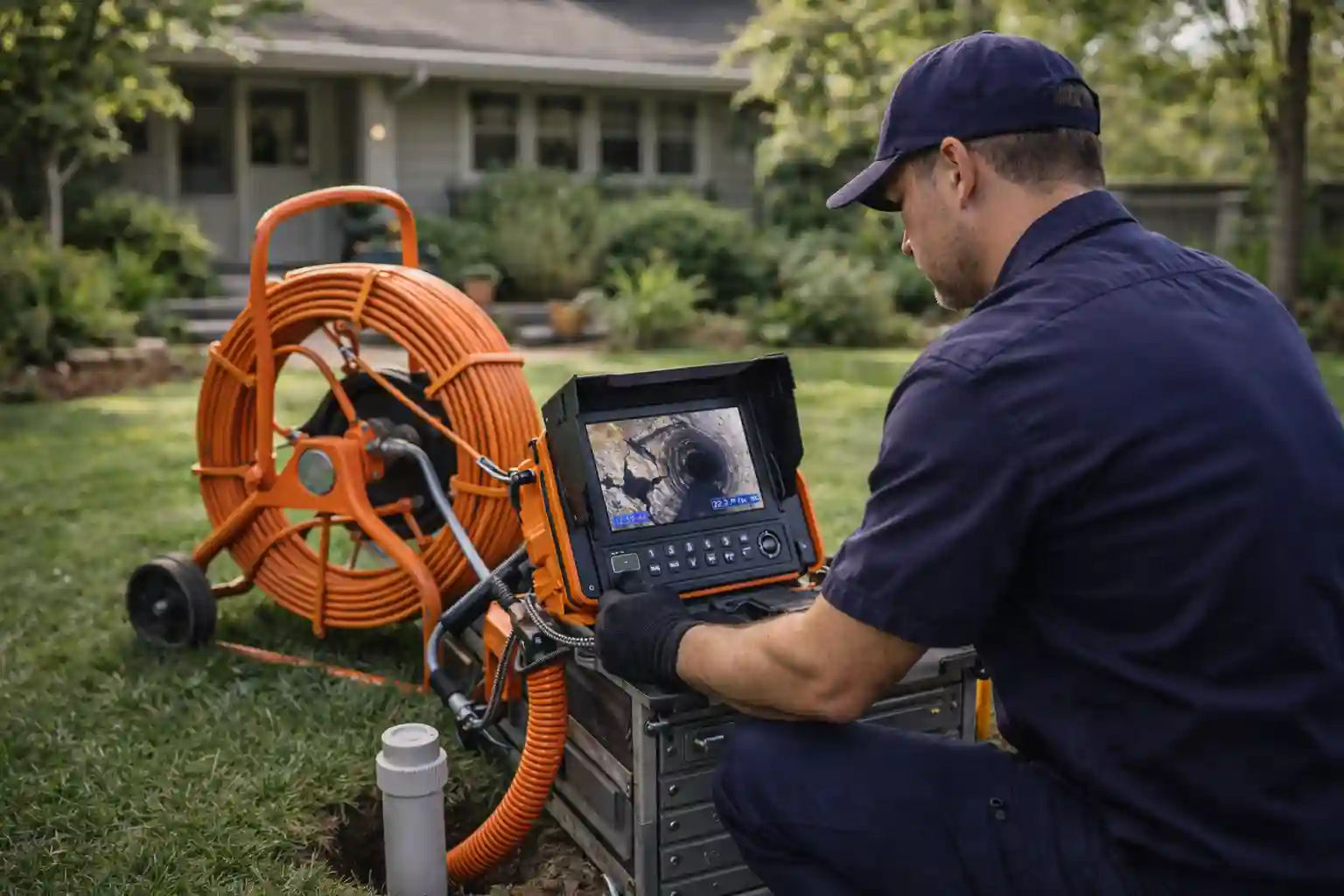
Technician performing a sewer camera inspection during source identification
Because sewer failures often occur underground or beneath foundations, effective emergency service requires both technical precision and a system-level understanding of how wastewater moves through the property. This ensures that the backup is not only stopped, but that the drainage network is stabilized for safe, sanitary operation.
Sewer backups introduce contaminated wastewater into living spaces, creating immediate health hazards and accelerating structural damage. Proper containment is essential to protect both the property and the people inside it.
In Sonoma homes, contamination control during a sewer emergency involves:
Uncontained sewage can compromise building materials, create persistent odors, and introduce bacteria that require professional remediation. Emergency sewer service is not only about restoring flow—it is about stopping contamination at the source and protecting the integrity of the structure.
Sewer backups rarely occur without an underlying structural or flow-related issue within the drainage system. In Sonoma, several recurring conditions increase the likelihood of sudden blockages and reverse flow.
The most common causes include:
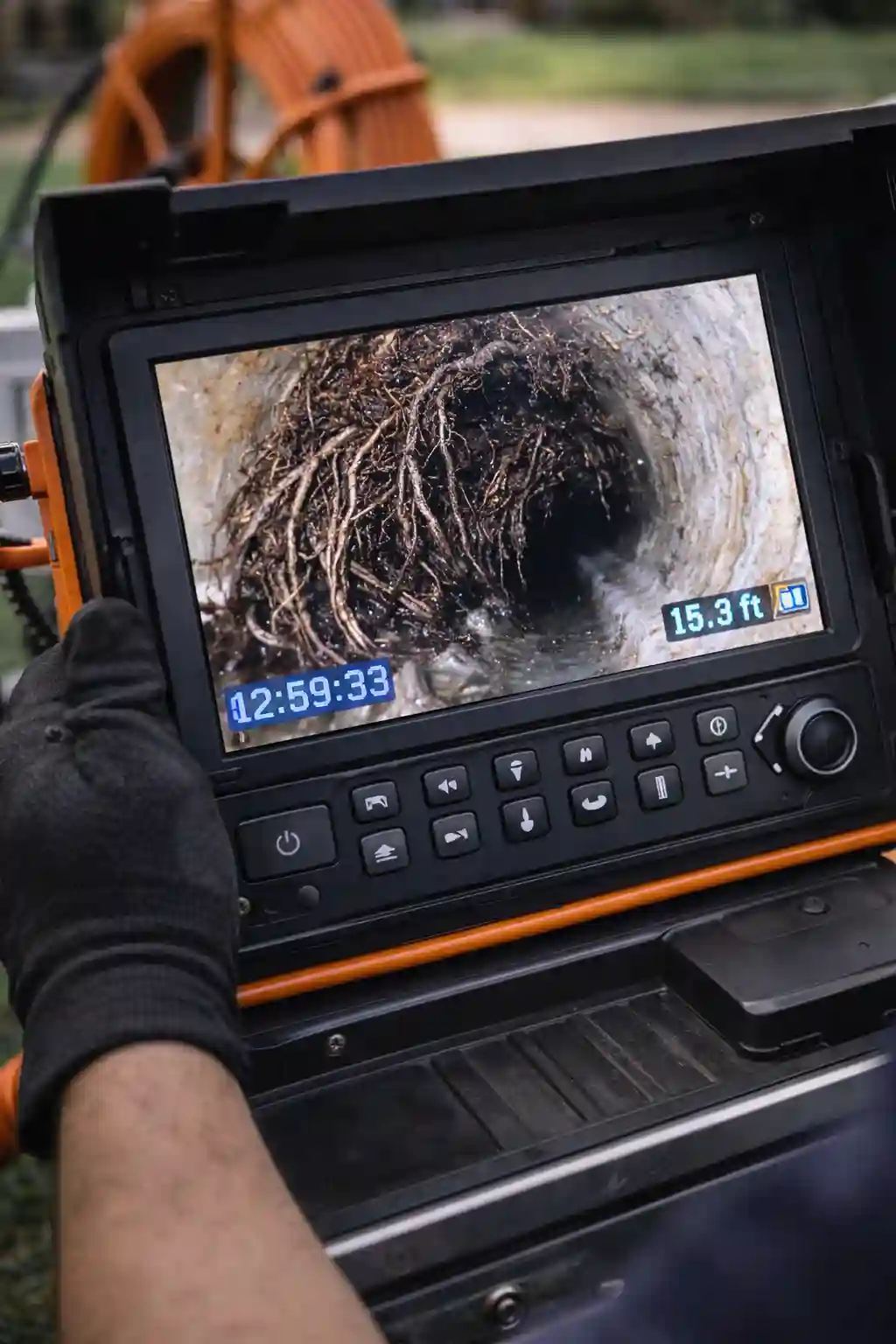
Sewer camera footage revealing tree root intrusion inside a drain line
Understanding the cause of a sewer backup is essential for preventing recurrence. Emergency service addresses the immediate failure, but long-term protection depends on identifying the exact point of restriction or damage within the system and correcting it at the source.
Delaying professional repair after a sewer backup significantly increases both property damage and health hazards. Unlike clean water leaks, wastewater contains bacteria, pathogens, and contaminants that quickly compromise indoor environments and building materials.
In Sonoma properties, postponed sewer repair can result in:
Sewer backups are not self-correcting. Immediate intervention stops the damage at its source, protects the integrity of the property, and restores safe, sanitary plumbing conditions.
Once a sewer backup has been contained and immediate flow is restored, the next priority is correcting the underlying failure that caused the emergency. In Sonoma properties, repair methods are selected based on pipe material, depth, access conditions, and the extent of damage.
Emergency sewer restoration may involve:
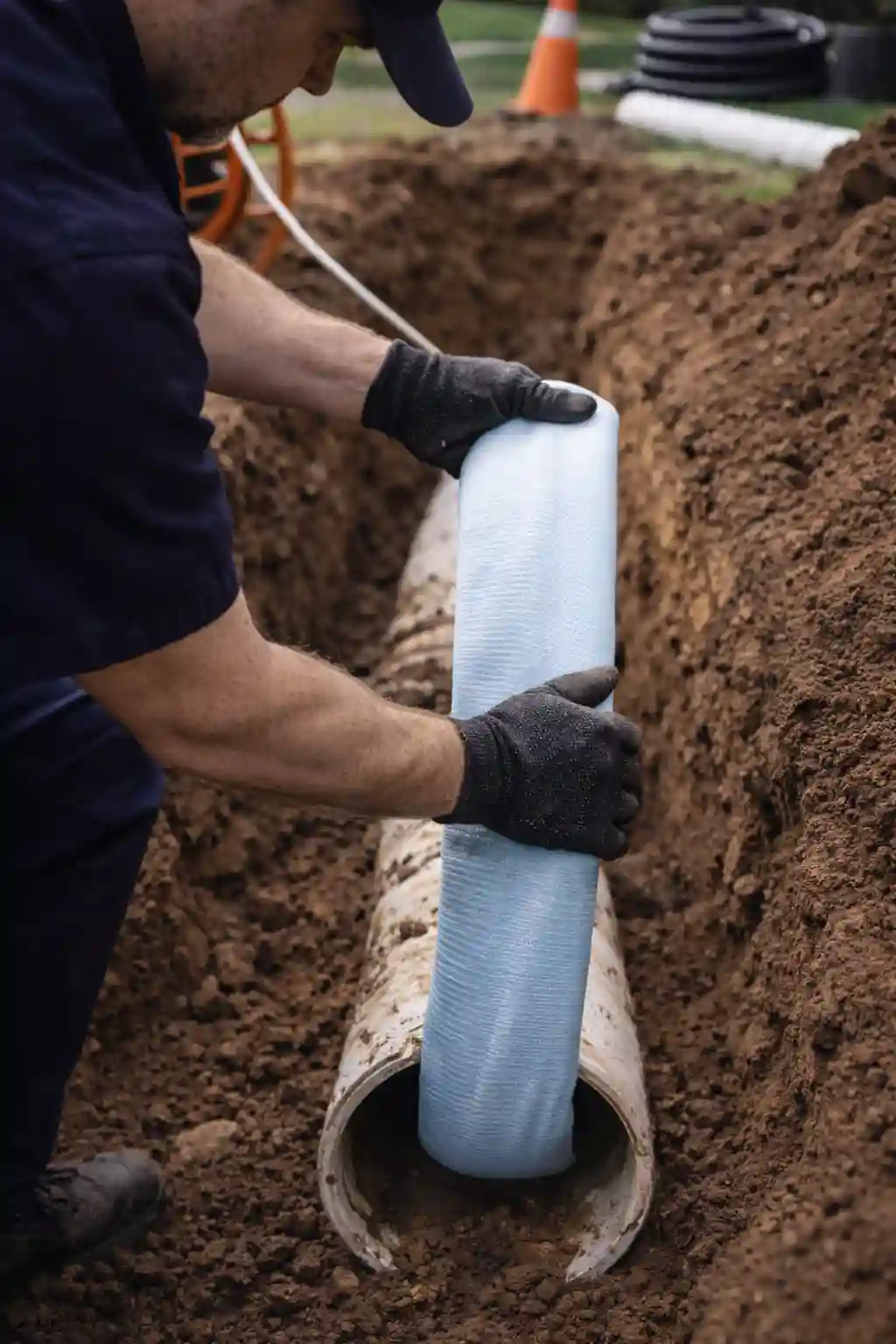
Trenchless sewer liner installation during emergency line restoration
Emergency repair is not limited to restoring basic function—it is about ensuring the sewer system operates reliably under normal and peak usage conditions. Proper restoration prevents repeated backups, protects the property from future contamination, and extends the life of the drainage infrastructure.
Preventing sewer backups begins with maintaining clear, structurally sound drainage lines and addressing vulnerabilities before they become emergencies. Sonoma’s aging infrastructure and environmental conditions make proactive care especially important for long-term system reliability.
Effective prevention strategies include:
By identifying vulnerabilities early and maintaining consistent flow, homeowners reduce the likelihood of emergency backups and extend the functional lifespan of their sewer systems. Preventative care transforms reactive repairs into controlled, cost-effective maintenance.
A sewer backup is a critical situation that requires immediate professional response. Contaminated wastewater, structural exposure, and system-wide failure cannot be resolved through temporary measures or delayed action. Sonoma Plumbing provides emergency sewer backup service exclusively in Sonoma, CA, with rapid response, precise diagnostics, and durable system repairs. Whether the issue is caused by a main line blockage, pipe collapse, or root intrusion, the priority is to stop the backflow, contain contamination, and restore safe drainage. If your home is experiencing a sewer backup in Sonoma, contact Sonoma Plumbing now to protect your property and restore sanitary conditions.