Copper piping is built to last, but decades of water exposure and thermal stress gradually wear on the metal. When pinhole leaks, corrosion, or failing joints show up, targeted repair stops the damage before it spreads.
Copper pipe issues often develop gradually, making them easy to overlook until visible damage appears. In Sonoma-area properties, aging infrastructure and long-term water exposure contribute to several recurring copper pipe problems.
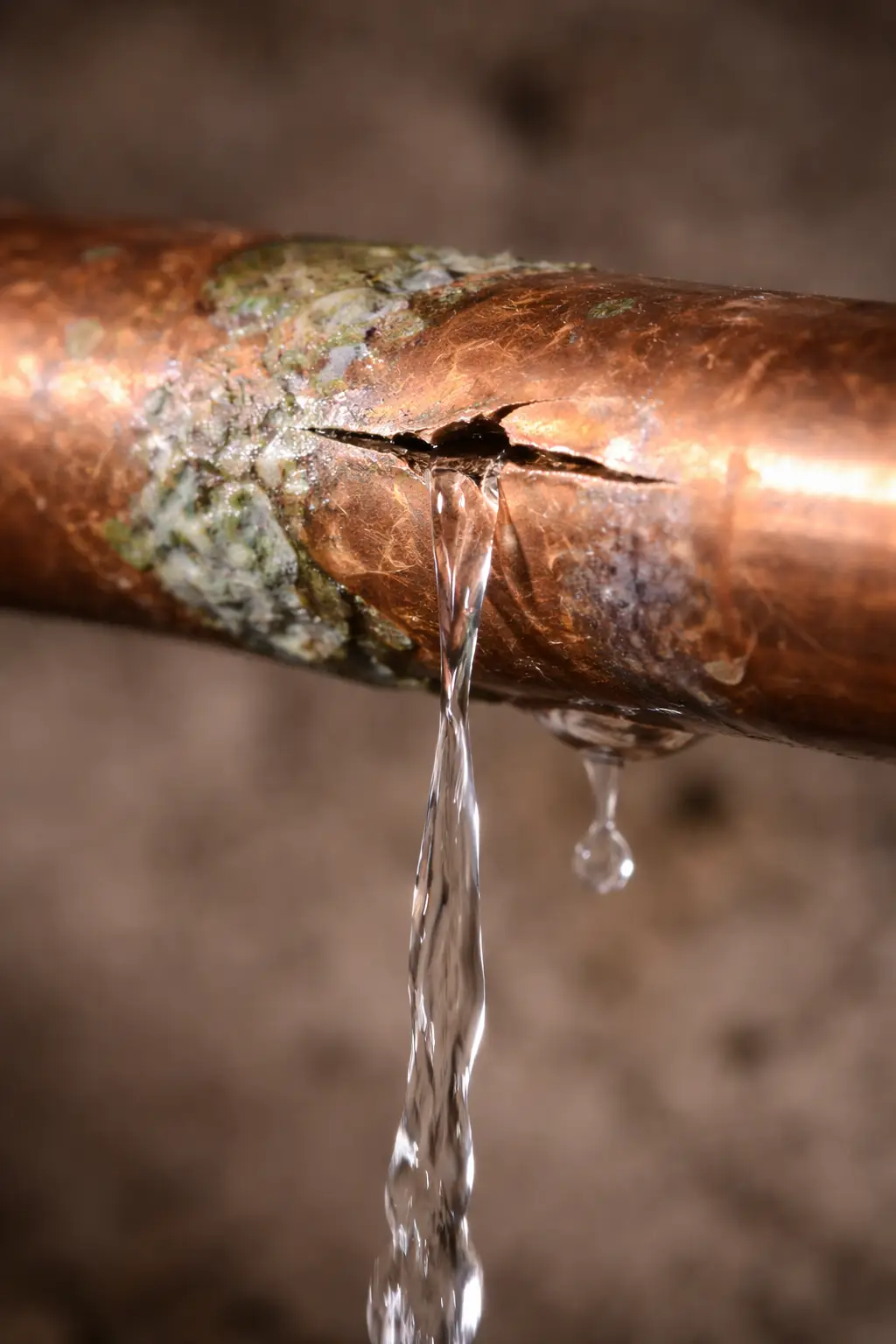
Internal corrosion thins the pipe wall, allowing small leaks to form. While minor at first, pinhole leaks can cause significant water damage over time if left unaddressed.
Mineral content and water chemistry slowly degrade the interior surface of older copper systems, reducing structural strength and raising the risk of multiple leaks along the same line.
Soldered connections weaken as pipes expand and contract with temperature changes, eventually allowing water to escape at joints rather than through the pipe wall itself.
These symptoms often signal internal copper degradation — an indicator that corrosion is active within the system and that leaks may follow if repairs are delayed.
Copper pipe leaks do not always present as sudden failures. In many cases, early warning signs appear long before a visible pipe burst or active leak is discovered.
Stains on walls, ceilings, or flooring often indicate slow copper pipe leaks hidden behind finished surfaces, darkening over time as moisture spreads.
Pressure loss can signal internal corrosion or a developing leak diverting water flow. Loss in a specific area often points to a localized copper pipe issue.
Pinhole leaks releasing small amounts of water over extended periods frequently go unnoticed inside walls or cabinets until secondary damage develops.
An early indicator of copper degradation — when corrosion is active, copper particles may enter the water supply, signaling declining pipe integrity.
Accurate diagnosis is essential when dealing with copper pipe leaks, as many failures occur behind walls, beneath floors, or in concealed sections of the plumbing system. Identifying the exact source prevents unnecessary pipe removal and limits property disruption.
Exposed copper lines, fittings, and joints are checked for corrosion, moisture buildup, or mineral residue to help narrow down potential leak locations.
When leaks aren't visible, pressure testing evaluates system integrity. Pressure loss within a closed section confirms an active leak and helps isolate the line.
In concealed areas, moisture and temperature-based detection locates leaking copper pipes so repairs can be planned precisely, without excessive wall or ceiling access.
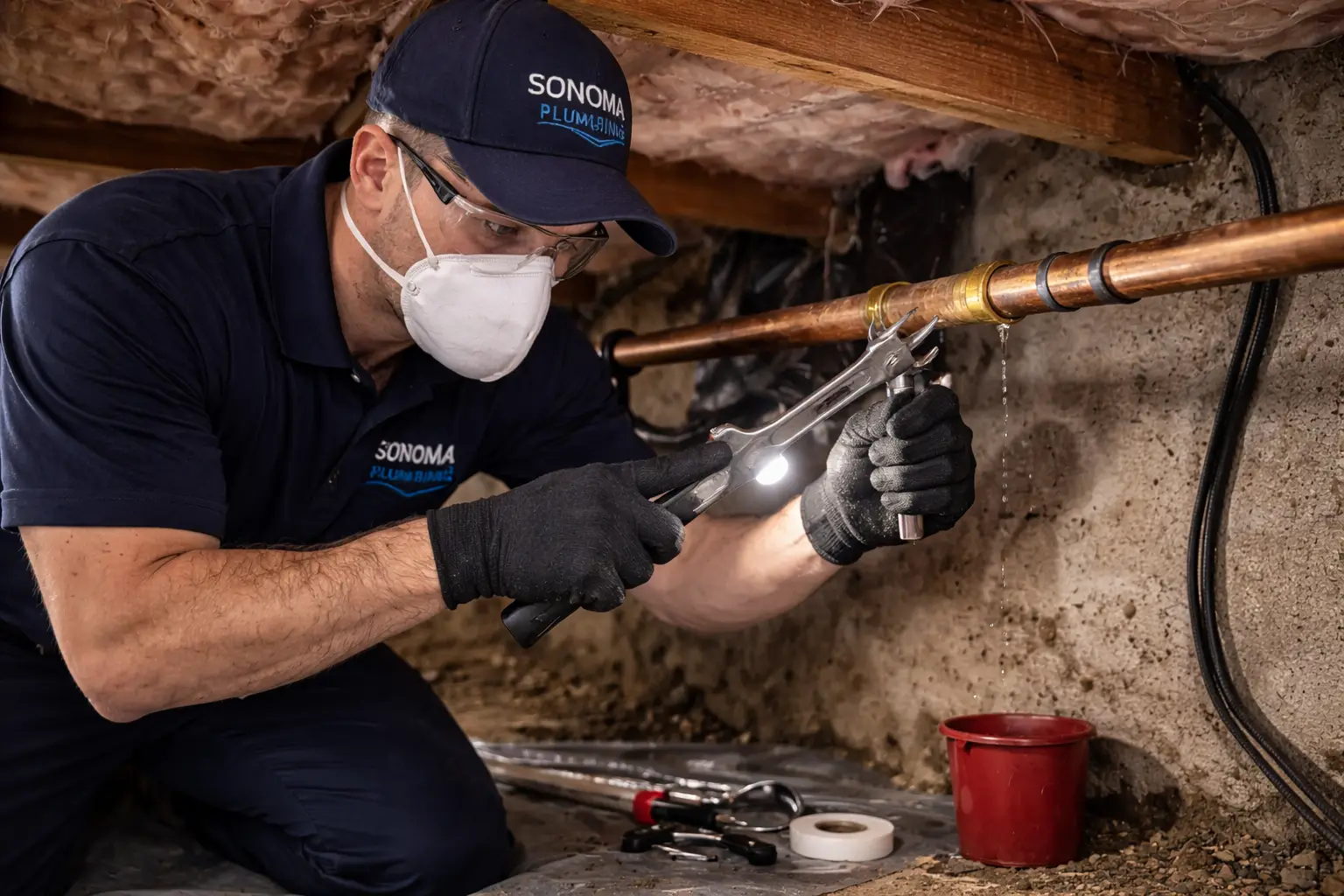
Proper diagnosis ensures copper pipe repairs address the root cause of the issue rather than only the visible symptoms.
Repair methods are selected based on the location of the leak, the extent of corrosion, and the overall condition of the plumbing system — restoring functionality while preventing repeat failures in adjacent sections.
The compromised segment of copper pipe is removed and replaced, ensuring surrounding material is structurally sound before reconnection.
Used when leaks originate at fittings rather than along the pipe wall, restoring proper sealing at connections weakened by age or thermal movement.
In high-risk or inaccessible areas, redirecting water lines away from vulnerable locations reduces future leak potential and stress on aging copper.
When corrosion is widespread, repairs are evaluated carefully to determine whether localized fixes offer long-term reliability or a broader strategy is needed.
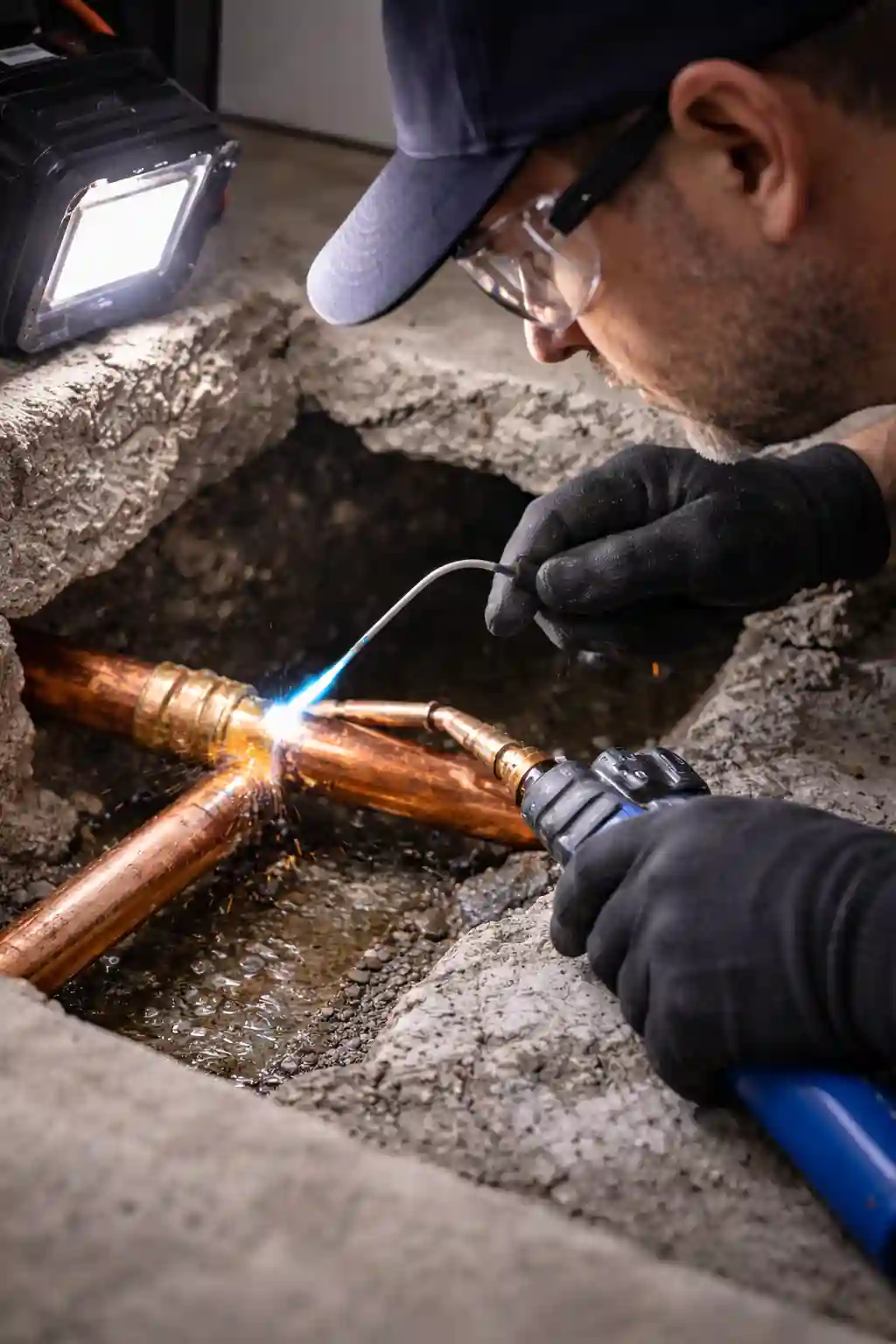
Determining whether to repair copper pipes or replace the system entirely depends on the condition and age of the existing plumbing. Not all copper pipe issues require full repiping, but repeated failures often indicate deeper material deterioration.
Appropriate when leaks are isolated and surrounding pipe remains structurally sound. Targeted repairs restore performance and extend the system's lifespan when corrosion is limited to specific areas.
Becomes the better option when corrosion is widespread, multiple pinhole leaks have occurred, or the system has reached the end of its functional life. It's done to eliminate ongoing risk, not respond to repeated failures.
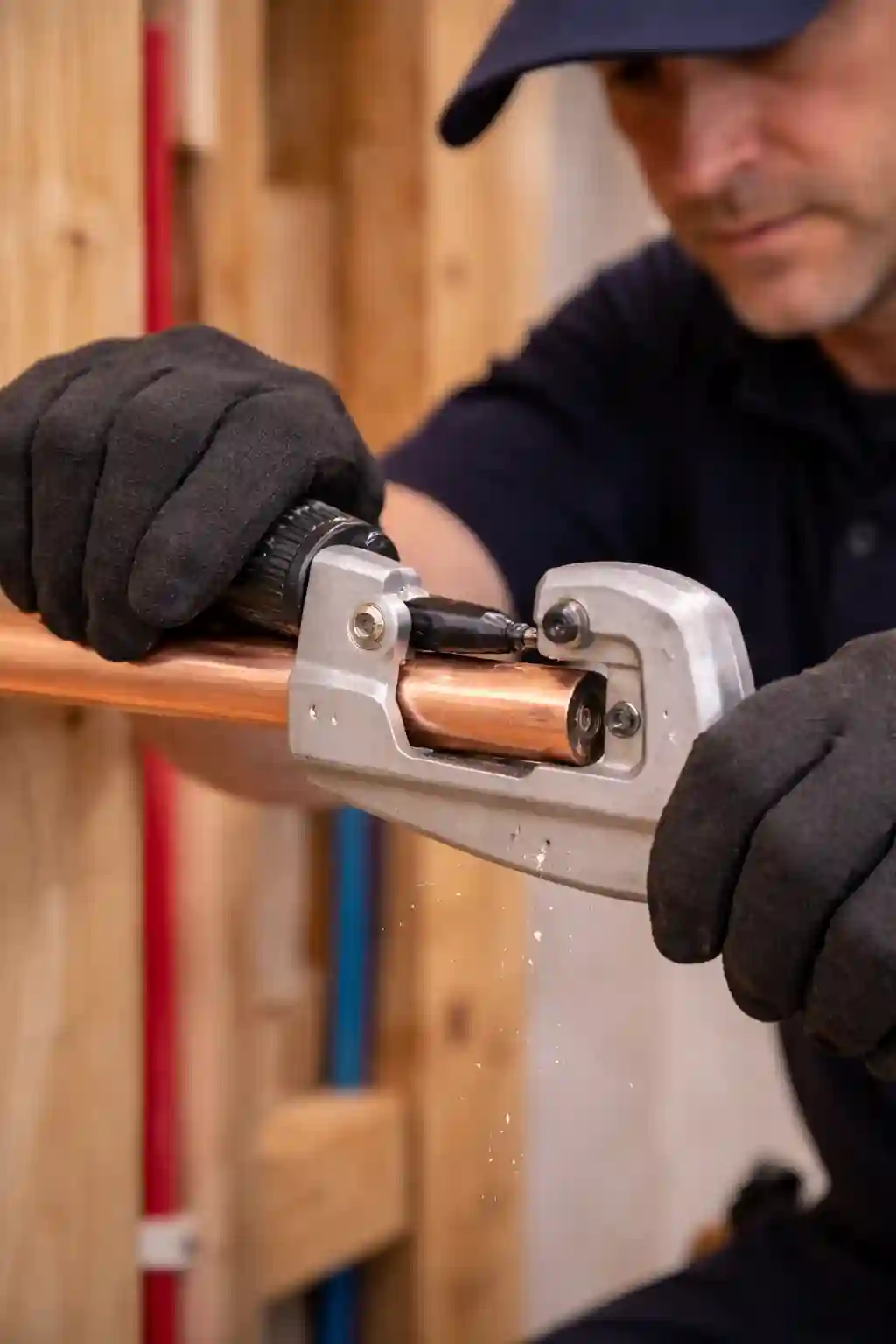
Evaluating factors such as pipe age, water chemistry impact, and repair history helps determine the most effective long-term solution. This decision process connects directly to repiping services when long-term reliability is the priority.
Delaying copper pipe repairs allows minor issues to develop into larger system failures. Because many copper leaks begin as small pinhole openings, damage often progresses unnoticed behind walls or ceilings.
Slow leaks can saturate drywall, insulation, and framing materials, leading to structural deterioration and costly restoration work.
When one section of copper pipe begins to fail, adjacent areas are often affected by the same conditions — increasing the likelihood of multiple leaks along the line.
Early repairs are usually localized, while delayed intervention may require extensive pipe replacement, surface restoration, or full repiping.
Copper pipe repair requires a clear understanding of how aging materials behave under long-term water exposure and temperature changes. Experience with these systems is essential to making repairs that last rather than temporarily stopping leaks.
Each repair begins with an evaluation of pipe condition, failure patterns, and surrounding infrastructure to ensure the solution addresses both the leak and its underlying cause.
Whether replacing a damaged section, restoring a weakened joint, or recommending a broader solution, the focus stays on reducing repeat failures across the plumbing network.
Combining accurate diagnostics with disciplined repair practices restores performance while extending the usable life of existing copper systems.
Sonoma Plumbing provides copper pipe repair services throughout Sonoma and surrounding communities.
Copper pipe failures can present differently depending on property age, water conditions, and system layout. For this reason, the same diagnostic standards and repair procedures are applied across all service areas to ensure consistent, long-term results.
If you are noticing leaks, water stains, pressure changes, or signs of corrosion in your copper plumbing system, early repair is essential to prevent further damage. Sonoma Plumbing provides professional copper pipe repair focused on accuracy, material expertise, and long-term system protection.